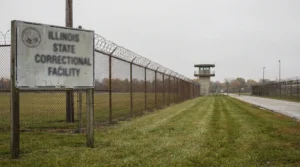

Understanding Illinois’s Treatment-Based Alternative to Incarceration
Key Takeaways: Illinois allows many people facing drug charges to elect treatment instead of traditional sentencing under Article 40 of the Substance Use Disorder Act. Eligibility is defined by exclusion rather than a qualifying checklist, a defendant may qualify unless one of the statutory disqualifiers in 20 ILCS 301/40-5 applies, including crimes of violence, certain drug offenses, pending felony proceedings, DUI, and repeat use. Separate sentencing statutes such as mandatory Class X classification under 730 ILCS 5/5-4.5-95 can independently block the election. The process requires court-ordered evaluation and acceptance by a licensed program, neither of which is guaranteed, and courts retain discretion to deny the election. Charge structure often matters more than charge labels, so suppression practice and negotiation may preserve eligibility. Related options, including deferred cannabis and methamphetamine probation and drug treatment courts, may also be available.
Illinois law permits certain people facing drug charges to pursue treatment instead of traditional sentencing, but eligibility is defined by exclusion. Under Article 40 of the Substance Use Disorder Act, an individual with a substance use disorder who is charged with or convicted of a crime may elect treatment under supervision of a licensed "designated program," subject to statutory disqualifiers in 20 ILCS 301/40-5. A defendant may generally qualify unless a specific exclusion applies, though other sentencing statutes may independently bar the election, and courts retain discretion.
If you or a family member is facing drug charges and wants to understand whether treatment is a realistic path forward, the attorneys at Leonard Trial Lawyers are prepared to evaluate your case. Call 312-380-6559 or reach out for a free consultation to discuss your options with a trial-ready defense team.
How the Addict Election Works Under Illinois Law
The election process begins with the defendant, not the prosecutor. Illinois courts recognize that an addict or alcoholic charged with or convicted of a crime "may elect treatment under the supervision of a licensed program designated by the Department," language quoted in People v. Redmond, No. 1-04-0284 (Ill. App. Ct. 1st Dist. Apr. 18, 2005), interpreting 20 ILCS 301/40-5. The addict election is a statutory right to request consideration, not a guarantee of admission or treatment.
Article 40 governs the post-election process. Under 20 ILCS 301/40-10, the procedure includes court-ordered evaluation by a designated program, a report to the court, acceptance by the program, and, if ordered, imposition of treatment as a probation condition. This is why a TASC evaluation must occur before a court may sentence a defendant to TASC probation, and why counsel often initiates assessment early rather than waiting until sentencing.
Program acceptance is separate from statutory eligibility. A licensed program conducts clinical evaluation and may decline candidates it considers inappropriate, and courts may deny treatment even after acceptance. Anyone weighing this path should consult a lawyer familiar with how local courts and programs evaluate candidates.
The Nine Statutory Bars That Define TASC Probation Eligibility Illinois Courts Apply
The exclusions in Section 40-5 determine who may qualify for TASC probation. As quoted in Redmond, the statute lists nine disqualification categories; the current statutory text should always be consulted, as the legislature has amended these provisions over time.
- Charged with or convicted of a crime of violence
- Two or more prior convictions for crimes of violence
- Specified offenses under the Illinois Controlled Substances Act, including Section 401(a) violations, and specified Cannabis Control Act offenses
- Other felony proceedings pending against the individual
- Lack of consent from probation or parole authorities where the person is under supervision
- Two prior admissions to treatment under this election within any two-year period
- Residential burglary where the defendant has a prior felony record
- Driving under the influence under 625 ILCS 5/11-501
- Alcohol or drug-related reckless homicide
The statute contains an express carve-out. Section 40-5 provides that nothing precludes an otherwise eligible individual charged under Section 60(b)(1) or 60(b)(2) of the Methamphetamine Control and Community Protection Act from electing treatment as a probation condition. Not every methamphetamine charge is automatically disqualifying, which is why careful charge-by-charge reading of the Substance Use Disorder Act provisions matters more than general assumptions.
\u{1F4A1} Pro Tip: Pending felony charges in another county can independently disqualify an otherwise eligible candidate. Resolving or coordinating those matters first is often the difference between eligibility and denial.
When Sentencing Statutes Override Otherwise Valid TASC Eligibility Criteria
Satisfying Section 40-5 is necessary but not always sufficient. In Redmond, the court addressed 730 ILCS 5/5-4.5-95, which provides that a person sentenced as a mandatory Class X offender is not eligible to apply for treatment as a condition of probation under Section 40-10 of the Substance Use Disorder Act (20 ILCS 301/40-10). A defendant may clear all nine exclusions and still be barred by mandatory sentencing classification.
This interaction between statutes is one of the most consequential issues in Illinois felony drug probation analysis. Prior felony history that triggers mandatory Class X sentencing may effectively remove the treatment option, regardless of the clinical picture. Because Redmond is unpublished, it should not be generalized beyond mandatory Class X sentencing without case-specific review of current law.
Why Charge Structure Matters More Than Charge Labels
How the State charges a case frequently influences whether treatment remains available. A delivery count under Section 401(a) may foreclose the election, while a possession count from the same facts may not. Suppression motions, challenges to weight and lab analysis, and negotiation over count structure can therefore be central to preserving eligibility.
Related Treatment-Oriented Probation Provisions Illinois Defendants Should Know
TASC is not the only treatment-focused disposition in Illinois. Under the Cannabis Control Act, 720 ILCS 550/10(a) permits deferred disposition for certain qualifying cannabis offenses where a person has not previously been convicted of any felony offense under that Act or any law relating to cannabis or controlled substances, with the person placed on probation "without entering a judgment." Probation conditions under 720 ILCS 550/10(d) may require medical or psychiatric treatment, or treatment for drug addiction or alcoholism.
Monitoring is a common feature. Section 720 ILCS 550/10(d) allows conditions requiring offenders to refrain from having illicit drugs in the body and to submit samples for testing. Similar structures appear in the Methamphetamine Control and Community Protection Act framework.
| Provision | Core Requirement | Effect of Successful Completion |
|---|---|---|
| 20 ILCS 301/40-5, 40-10 | Election, evaluation, and acceptance by licensed program | Treatment may be imposed as probation condition |
| 720 ILCS 646/70(a)-(c) | 24-month probation; no new violations; no firearms; drug testing at least three times; minimum 30 hours community service | Discharge and dismissal may follow |
| 720 ILCS 550/10(a), (d) | No prior qualifying drug felony; treatment and testing conditions | Deferred disposition without judgment entry |
The Structure of a Deferred Methamphetamine Possession Probation
The methamphetamine statute illustrates how these programs work. Under 720 ILCS 646/70(a), probation may be available, in the court’s discretion, to a person not previously convicted of a qualifying felony who pleads or is found guilty of possession of less than 15 grams of methamphetamine. Such disposition is "not considered a conviction under Illinois law unless and until judgment is entered." The probation term generally runs 24 months.
Repeat use is limited by statute. Under 720 ILCS 646/70(f) and (h), the court may discharge the person and dismiss proceedings upon fulfillment of conditions, but no more than one discharge and dismissal may occur within a four-year period. Courts may also require treatment approved by the Illinois Department of Human Services and may refer the person to drug court for evaluation.
How Treatment Courts Compare as Illinois Drug Court Alternatives
Problem-solving courts operate on a more intensive model than standard probation. Under 730 ILCS 166/25(e), treatment court programs include "individual and group therapy, substance analysis testing, close monitoring by the court" and related requirements. Admission requirements and program design vary by circuit. For some defendants, a referral under the Drug Court Treatment Act may offer structure that conventional supervision does not.
The tradeoff is intensity and duration. Frequent status dates, immediate sanctions for violations, and extended supervision periods are common. Whether that makes sense depends on the charge, the person’s clinical needs, and the risk profile of proceeding to trial.
Frequently Asked Questions
1. Do I have to admit guilt to elect treatment?
The statute contemplates election by a person charged with or convicted of a crime, and in many cases the disposition follows a plea or finding of guilt. Under 720 ILCS 646/70(a) and 720 ILCS 550/10(a), certain dispositions may be entered without judgment and are not treated as convictions unless judgment is later entered.
2. Can a prior drug conviction end my chances?
It can, depending on the provision. A prior felony conviction may bar deferred probation under 720 ILCS 550/10(a), and prior felony history triggering mandatory Class X sentencing under 730 ILCS 5/5-4.5-95 may bar treatment as a probation condition.
3. How many times can I use this option?
Section 40-5 disqualifies individuals with two prior admissions to treatment under this election within any two-year period. Separately, 720 ILCS 646/70(h) permits no more than one discharge and dismissal within a four-year period.
4. Does an evaluation guarantee acceptance?
No. Evaluation and acceptance are distinct steps under 20 ILCS 301/40-10, and programs may decline candidates. Courts retain discretion over sentencing even when a program accepts the individual.
5. What if my case involves a firearm allegation?
Firearm-related conduct raises serious complications. Probation conditions under 720 ILCS 646/70(b)-(c) prohibit firearms during the term, and violent-crime exclusions under Section 40-5 may independently apply depending on the charge.
Weighing Treatment Against a Trial Defense
Determining TASC probation eligibility in Illinois requires reading the exclusions in 20 ILCS 301/40-5 against the specific counts charged, the client’s criminal history, and any mandatory sentencing classification that may apply. Treatment may be a meaningful option for many people, but it should not be accepted before testing the State’s evidence through suppression practice and independent scrutiny of lab and chain-of-custody records. Our drug treatment probation Illinois practice begins with that analysis in every case.
With more than 30 years of experience handling high-stakes state and federal matters, Leonard Trial Lawyers brings genuine trial experience to cases that many firms would simply resolve. Call 312-380-6559 or schedule your free consultation now to discuss whether treatment, negotiation, or trial best serves your interests.
Disclaimer: This content is for informational purposes only and is not legal advice. Every case is unique, and results may vary. Consult an attorney about your specific circumstances.